
KPV Peptide: Benefits, Dosing, Side Effects and Gut Uses
Research demonstrates that maintaining consistent daily injection times within minutes optimizes plasma concentrations and treatment outcomes. Irregular injection schedules significantly MOTSc peptide impact KPV (Ac-KPV-NH2) therapeutic efficacy due to the peptide’s 2-4 hour half-life. Proper titration schedules extending over 3-4 weeks allow individual tolerance assessment and optimization of therapeutic outcomes. Aggressive initial dosing may trigger inflammatory rebound effects or injection site reactions that compromise treatment adherence. Research protocols commonly recommend maintaining stable concurrent medication regimens throughout KPV treatment cycles to ensure consistent outcomes.
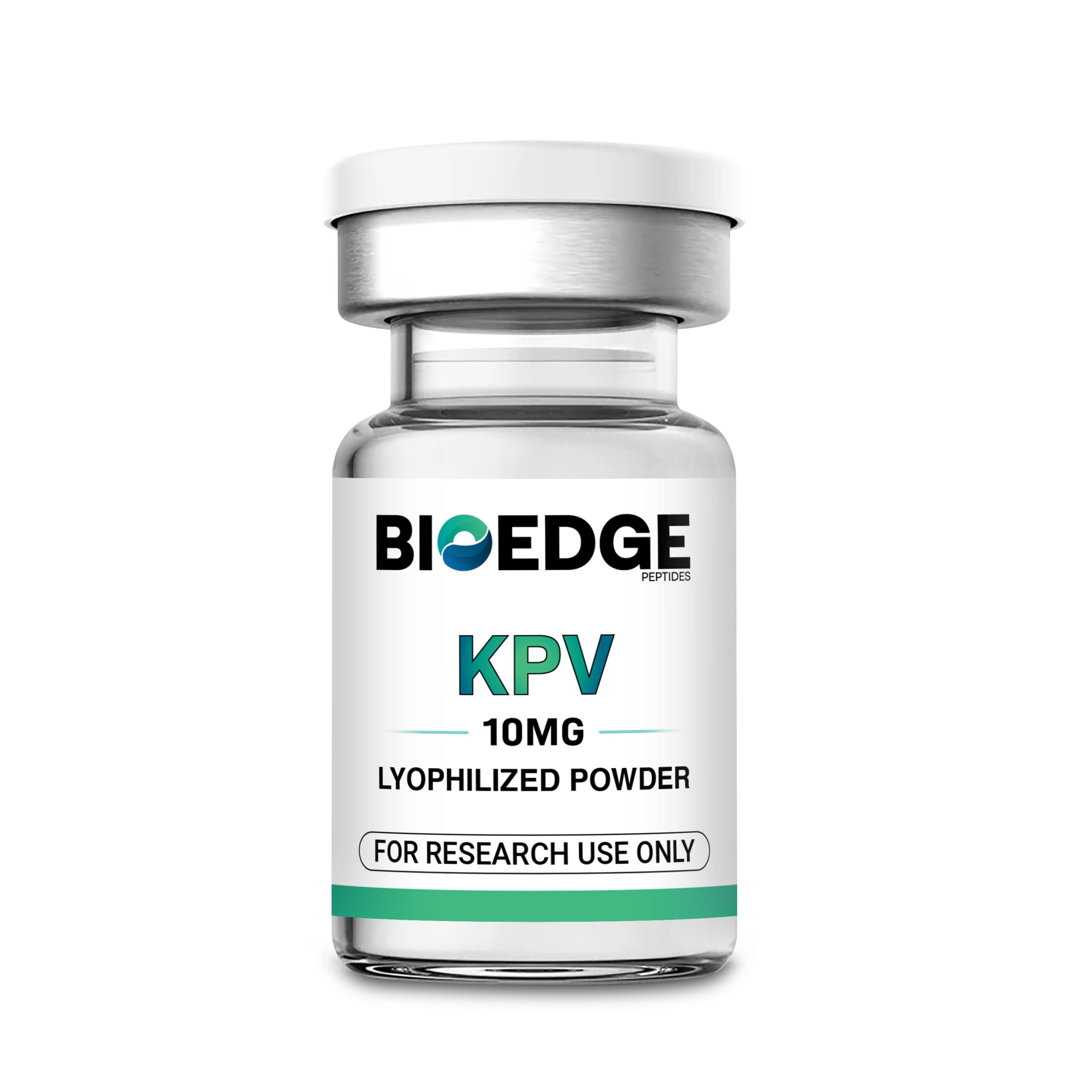
It is important to say clearly upfront that no such number exists with clinical backing. What preclinical research used experimentally, and why no clinical dose exists. Choose subcutaneous injection for systemic effects outside the GI tract. You need a KPV lyophilized vial , 5 mg or 10 mg,, bacteriostatic water, U-100 insulin syringes (29 to 31 gauge), alcohol swabs, and a sharps container. If tanning is the goal instead, see the Melanotan II profile, not KPV. See the full peptides for gut health breakdown.
No reliable human head-to-head gut-treatment ranking is established. Informal ranges, animal exposures and cell concentrations cannot supply an injected, oral or nasal regimen. The reviewed sources do not establish a validated human KPV dose or schedule. Experimental anti-inflammatory activity is a research rationale, not an established human treatment or safety profile. Their different molecule, indication and advisory outcomes should remain distinct. Advice about comparing sources is distinct from recommending a research product for self-treatment.
KLOW Peptide Blend Dosing Protocol & Schedule
Distinct advantages (optimal dosing ranges), and bioavailability profiles are associated with each delivery method. Researchers gain an appreciation for the significance of dosing precision by understanding these mechanisms. Before initiating any new treatment, it is essential to consult your healthcare provider. Compounded drugs are not subject to premarket review by the FDA to assess their safety (effectiveness), or quality. Customized formulations prepared by a pharmacy may include some medications available through this service — termed compounded drugs. The interpretation of side effects or treatment outcomes can become more challenging when experimental peptides are combined.
For a separate investigational peptide with gastrointestinal claims, see BPC-157 for gut health. KPV is frequently marketed online for inflammation — gut health, skin concerns, or recovery, but those uses have not been established in controlled human trials. It corresponds to amino acids of alpha-MSH, a larger peptide involved in several biological processes. A research-use label, higher price or purity certificate alone does not establish suitability for patient treatment.
The Klow blend combines GHK-Cu (50mg), KPV (10mg), BPC-157 (10mg), and TB-500 (10mg) in a single 80mg vial. Quality matters more with KPV than with almost any other peptide. No published research exists on any KPV combination. A single 10 mg vial from Everest Peptides gives you 20 doses at 500 mcg or 40 at 250 mcg, and at $44.99 with 15% off using code BRAINFLOW, a full ramp-up cycle comes in under $40. A lot of people reconstitute the injectable powder and simply drink the measured dose rather than injecting it, which works fine for gut goals. The research dose most community protocols are built on comes from the 2008 Dalmasso colitis study — roughly 205 mcg per day given orally to mice.
Some athletes combine KPV with support blends like hyaluronic acid for extra results. Why do so many athletes care about KPV? Your body uses these amino acids already — but this exact sequence works differently. KPV peptide is a simple — small chain of amino acids—just three—linked together as Lysine-Proline-Valine.
The Success of NinjAthlete’s Method
KPV is most often run alongside repair peptides rather than alone, which is why Ascension’s KLOW blend pairs it with BPC-157, TB-500 and GHK-Cu in a single vial. All treatments require a valid prescription and provider oversight. The information provided on this website (including all articles), guides, and educational content, is for informational and educational purposes only and is not intended as medical advice, diagnosis, or treatment. Pharmaceutical-grade KLOW with KPV inside (prescribed by a licensed provider), compounded at a US-based 503A pharmacy, and shipped to your door ready to use with no reconstitution needed.
KPV is not FDA-approved for the treatment of any condition, and no published human clinical trial has established an optimal or officially recommended dose. This varies by individual and goal. Sourcing, sterility, dosing accuracy, and interaction checks all matter, and a compounding-pharmacy-backed clinic exists precisely to handle those variables for you. The single most important safety factor isn’t a number on a vial, it’s medical supervision.
Regular follow-up appointments every 2-4 weeks during initial treatment phases ensure optimal outcomes and safety. Qualified healthcare providers can assess individual risk factors, monitor biomarkers, and adjust dosing protocols based on treatment response. Persistent or severe side effects require medical evaluation and potential treatment discontinuation.
Create a titration schedule tailored to your GLP-1 medication. The FormBlends iPhone app, which is free, consolidates peptide schedules, concentrations, reminders, inventory, and progress notes. Evaluate the dosage claims of the Wolverine stack against the evidence for different study methods (formulations), routes, and combination regimens. Research indicates a potential benefit for gut health (skin disorders), and immune modulation. It is advisable to consult a qualified healthcare provider prior to starting (stopping), or modifying any medication or treatment. A 2-page reference, which can be printed, includes details on popular peptides, their dosing ranges, stacking protocols, and storage.
While subcutaneous injection likely offers higher oral bioavailability (community reports and preclinical research), especially in IBD models, indicate that oral administration is effective for targeting gut inflammation. The preferred administration route for targeting systemic inflammation (as opposed to gut-specific issues), is subcutaneous injection. Evidence-based treatments prescribed by a gastroenterologist should be complemented by KPV rather than substituted with it. It should be noted that KPV is not approved by the FDA and is not a replacement for prescribed treatments for serious health conditions. Subcutaneous BPC-157 can be utilized in place of (or in addition to), oral dosing for more severe conditions or when systemic repair support is desired.